

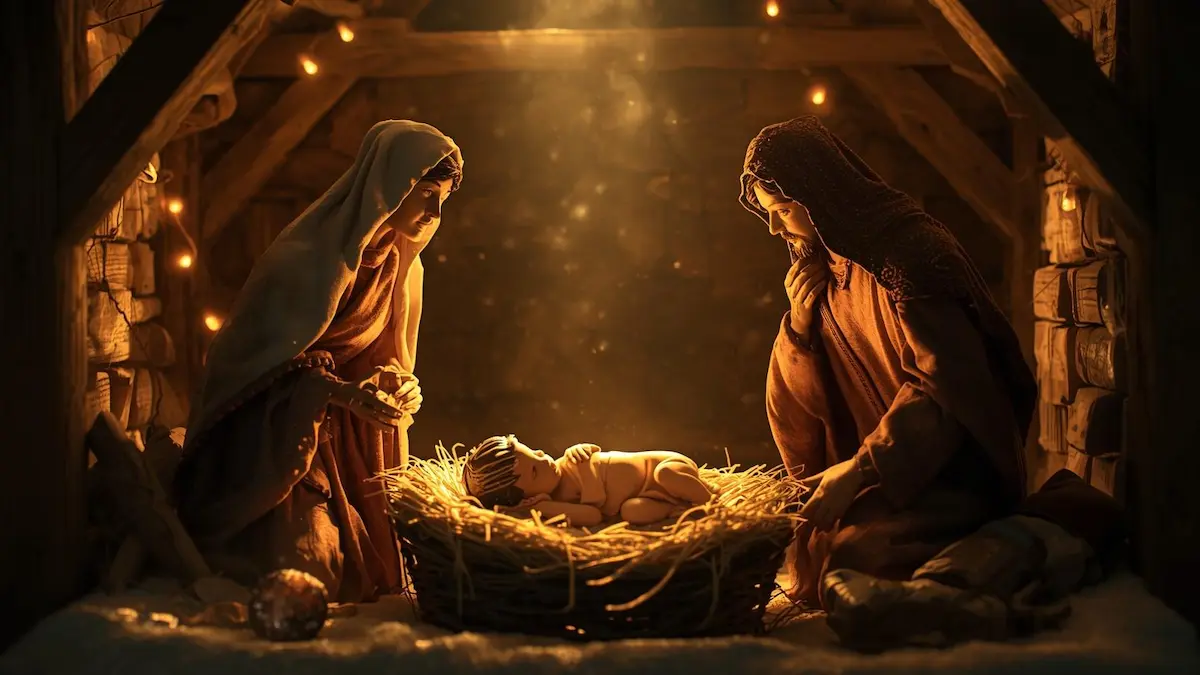
Every year on December 25, millions of people around the world pause to celebrate Christmas. Homes are decorated, families gather, songs are sung, and the story of Jesus’ birth is retold. Yet a common question often arises, why December 25?
Was Jesus really born on this day? Is the date biblical, historical, or simply traditional? To understand Christmas fully, we must look beyond the calendar and explore the history, faith, and meaning behind this sacred celebration.
The Biblical Perspective on Christmas

Does the Bible Mention December 25?
The Bible does not specify the exact date of Jesus’ birth. The Gospels focus far more on why Jesus was born rather than when. Scripture highlights the miracle of the incarnation, God stepping into human history without anchoring it to a particular day.
This absence does not weaken the celebration of Christmas. Instead, it reminds believers that the power of Christmas lies in the event itself, not the date attached to it.
The Significance of Jesus’ Birth
The birth of Jesus Christ marks the fulfillment of prophecy and the arrival of salvation. Luke’s Gospel describes angels announcing “good news of great joy for all people.” Christmas celebrates the moment God became flesh, dwelling among humanity to bring redemption, hope, and restoration.
The heart of Christmas is not chronology, it is Christ.
The Historical Origins of December 25
Early Christian Traditions
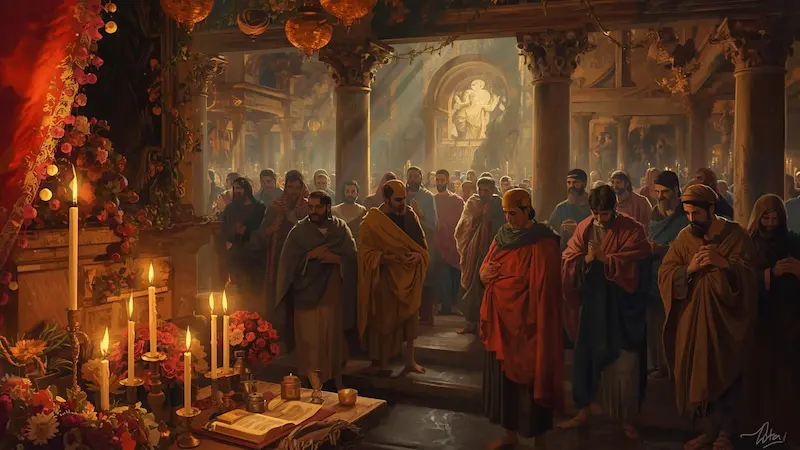
By the fourth century, early Christians were already commemorating the birth of Jesus on December 25. Church leaders sought a unified date to celebrate Christ’s birth, especially as Christianity spread across the Roman Empire.
This was not about copying culture, but about creating a clear, communal expression of faith centered on Jesus.
Roman Festivals and Cultural Context
December 25 coincided with Roman festivals such as Saturnalia and the celebration of Sol Invictus (the “Unconquered Sun”). Some argue this connection invalidates Christmas, but history tells a deeper story.
Rather than adopting pagan worship, early Christians used this moment to proclaim a greater truth: Jesus Christ is the true Light of the world greater than any sun, deity, or empire.
Why the Early Church Chose December 25
Symbolism of Light in Darkness
December 25 falls close to the winter solstice, the darkest period of the year. For believers, this carried powerful symbolism. Just as days begin to grow longer, Christ entered a dark world to bring light, hope, and life.
Jesus Himself declared, “I am the Light of the world.” Celebrating His birth during this season reinforced that truth visually and spiritually.
Theological Reasoning Behind the Date
Early Christians also believed Jesus was conceived and crucified on the same calendar date—March 25. Adding nine months placed His birth in late December. While this was theological reasoning rather than scientific dating, it reflected a deep reverence for Christ’s life as a divine, complete story.
Is Christmas on December 25 Pagan or Christian?
Addressing Common Myths
A common misconception is that Christmas is purely pagan in origin. While cultural overlap existed, celebrating Jesus’ birth was distinctly Christian in purpose, message, and worship.
The early church did not celebrate pagan gods, it proclaimed Christ as Lord over all time, seasons, and traditions.
Redeeming Dates for God’s Glory
Throughout Scripture, God redeems what already exists and transforms it for His glory. Time itself belongs to God. Choosing December 25 was not compromise, it was declaration.
What matters is not the origin of the date, but the One being honored.
What December 25 Means for Believers Today

Celebrating Christ Beyond the Date
Christmas is a reminder, not a limitation. While December 25 offers a focal point, believers are called to live out the message of Christmas every day, loving sacrificially, giving generously, and walking in humility.
Christmas as a Season of Hope and Salvation
At its core, Christmas proclaims Emmanuel—God with us. In a broken world, this truth brings comfort, peace, and eternal hope. December 25 becomes a sacred invitation to remember that God stepped into our story to redeem it.
Conclusion
Christmas is celebrated on December 25 not because Scripture commands it, but because history, theology, and faith converged to honor the birth of Jesus Christ. The date serves as a meaningful reminder of God’s light entering a dark world and His desire to dwell among His people.
Understanding the “why” behind Christmas deepens our worship and anchors our celebration in truth.
Call to Action
As you celebrate this Christmas season, take a moment to reflect on the gift of Christ beyond the traditions. Share this message with others, keep Jesus at the center of your celebration, and let His light shine through your life today and every day.