


Worried you’ve committed an unforgivable sin? Learn what the Bible truly says about the blasphemy against the Holy Spirit and find peace and assurance in God’s complete forgiveness.
The fear is paralyzing. It creeps in after a season of rebellion, a moment of doubt, or a thoughtless word. It’s the terrifying question that has haunted countless believers: “What if I’ve crossed a line? What if I’ve done something so terrible that God will never forgive me?”
This fear often circles back to one specific phrase Jesus used: the blasphemy against the Holy Spirit, sometimes called the “unforgivable sin.”
If you’ve ever lost sleep over this, please hear this first: The very fact that you are concerned about it is the strongest possible evidence that you have not committed it.
The unforgivable sin is not a single action done in a moment of weakness, passion, or doubt. It is a permanent state of the heart. Let’s explore what the Bible actually says to replace fear with understanding and anxiety with assurance.
Biblical Foundation: What Did Jesus Actually Say?
The primary passage that discusses this concept is found in the Gospels. The context is crucial.
“Truly I tell you, people can be forgiven all their sins and every slander they utter, but whoever blasphemes against the Holy Spirit will never be forgiven; they are guilty of an eternal sin.” He said this because they were saying, “He has an impure spirit.” (Mark 3:28-30, NIV)
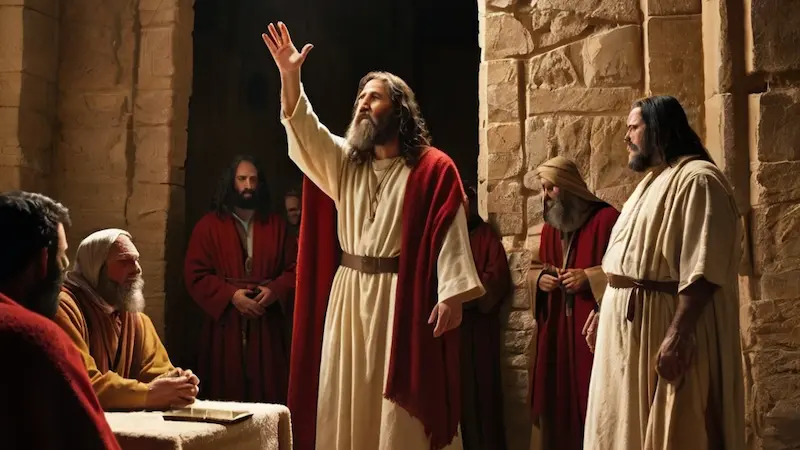
Context is Key: Jesus had just performed a miraculous healing. The religious leaders (the Pharisees), who had witnessed His power and love firsthand, chose not to believe. Instead, they looked at the work of the Holy Spirit through Jesus and deliberately, maliciously attributed it to Satan. They called the Holy Spirit the source of all goodness, truth, and redemption and the “impure spirit.”
The Deep Dive: What Blasphemy Against the Holy Spirit Really Is
The “unforgivable sin” is not about saying a magic word or having a heretical thought. It’s about the deliberate, lifelong hardening of one’s heart against the grace of God. Here’s what it entails:
1. It’s a Heart of Ultimate Rejection, Not a Momentary Failure.
This isn’t a sin you “slip up” and commit. It is a conscious, continuous, and final rejection of God’s forgiveness through Jesus Christ. The Holy Spirit’s primary work is to convict us of sin and point us to Jesus (John 16:8). To blaspheme the Spirit is to consistently, over a lifetime, reject that conviction and deny that testimony. It is to call the work of Jesus “evil” and to refuse the only means of forgiveness God has provided.
2. It’s a State of Unrepentance.
The sin is “unforgivable” not because God’s grace is insufficient, but because the person completely and permanently refuses to repent. Forgiveness requires a recipient who acknowledges their need for it. If someone utterly rejects the idea that they need to be forgiven, they place themselves outside the reach of the very grace they deny. It is a self-imposed exile from mercy.
3. It’s Characterized by a Complete Absence of Concern.
This is the most important takeaway. A person who has committed this sin feels no guilt, no fear of judgment, and no desire for God. They are not worried about their salvation; they have convinced themselves they don’t need it.
What It Is NOT: Common Fears Debunked
If you are worried you have committed this sin, you almost certainly haven’t. Here’s what the unforgivable sin is not:
- It is NOT saying a curse word or taking the Lord’s name in anger.
- It is NOT having a doubt or a moment of weak faith.
- It is NOT denying Christ under pressure (Peter did this and was restored!).
- It is NOT having an evil or heretical thought that you immediately reject.
- It is NOT struggling with a habitual sin that you hate and are fighting against.
These are sins of struggle, weakness, and failure and they are all covered by the blood of Jesus for those who repent (1 John 1:9).
Conclusion: Resting in the Assurance of God’s Grace
The magnificent truth of the gospel is that the death of Jesus Christ is sufficient to cover all sin. The offer of forgiveness is extended to everyone. The only sin that can not be forgiven is the sin of refusing to accept that forgiveness until the end of one’s life.
Your fear, your guilt, and your desire to be right with God are proofs that the Holy Spirit is still actively working in your heart. He is convicting you, not condemning you. There is no sin you have ever committed that is beyond the reach of God’s grace the moment you turn to Him in repentance and faith.
Do not let the enemy use a misunderstood scripture to steal your peace. Your salvation is secure in Christ, not in your perfect performance.
A Prayer for Assurance and Peace
Heavenly Father,
I come to you honestly. I have been afraid that I’ve gone too far, that my sins are too great for your grace. Thank you for your Word that brings truth and light. Right now, I reject the lie that I am unforgivable.
I confess my specific sins to you my doubts, my failures, my wrong thoughts and actions. I ask for your forgiveness based on the finished work of Jesus on the cross, not on my own worthiness. I receive your complete cleansing and pardon.
Holy Spirit, thank you for your work in my life. Thank you for convicting me and drawing me to the Father. I welcome your work in my heart. Replace my fear with the rock-solid assurance of your love and forgiveness. Help me to rest in your grace today.
In Jesus’ mighty name, Amen.
Let’s Talk
Have you ever struggled with the fear of committing an unforgivable sin? How did you find peace? Sharing our stories can help break the power of fear for others. Leave a comment to encourage this community.


